Evidence-based research for housing abundance and land-use reform
Rigorous, impactful research that drives housing and land-use policy reform across Victoria and Australia. Our work is widely cited by policymakers, and commentators.
Featured research
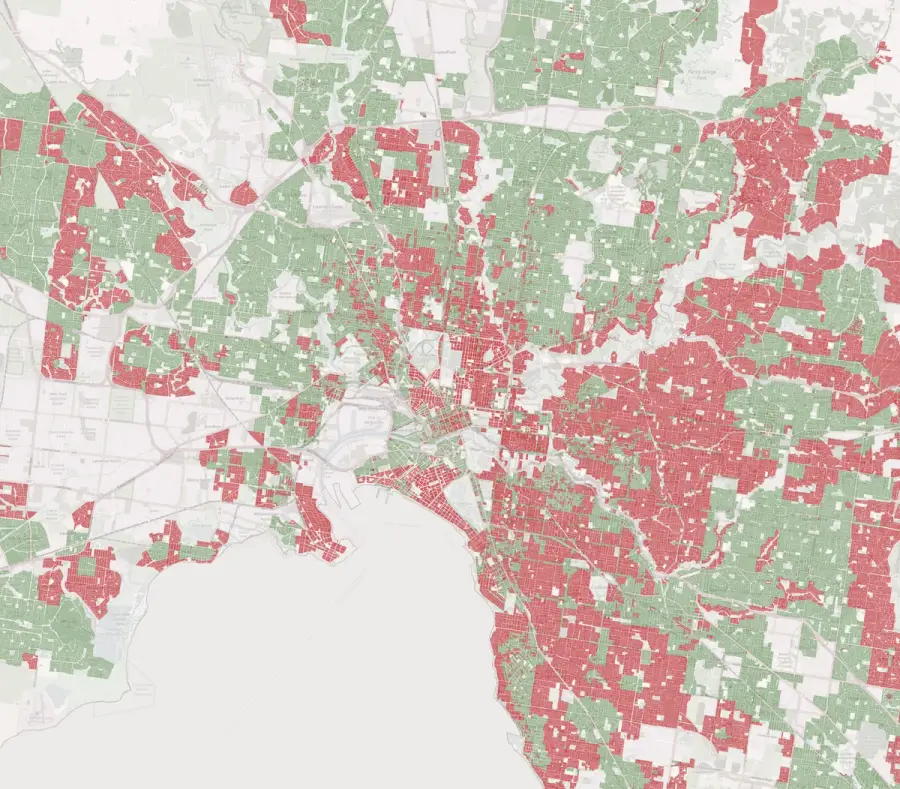
Australian Zoning Atlas
The Australian Zoning Atlas is the first ever nation-wide map that classifies and compares residential planning controls across Australia.

Inquiry into Intergenerational Housing Inequity
Current planning systems are the primary drivers of spatial and intergenerational inequity in Australia. These systems often enforce artificial monopolies that benefit existing property owners at the expense of renters and first-home buyers.

Inquiry into Productivity in Australia
Our position is clear: the Abundant Housing Network Australia wholesale opposes the creation of a National Settlement Strategy. Such a strategy is flawed from first principles, and its proponents lack both evidence of its alleged benefits and viable methods for its implementation.
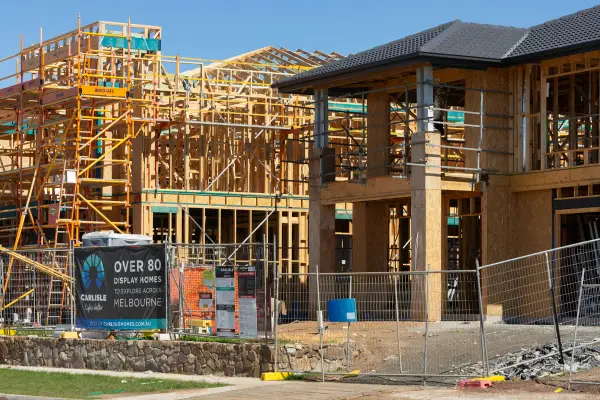
No, Councils don't approve 98% of permits for new housing
New findings show that metropolitan Melbourne councils approve on average less than three-quarters of permits for new dwellings.
All research
All Research
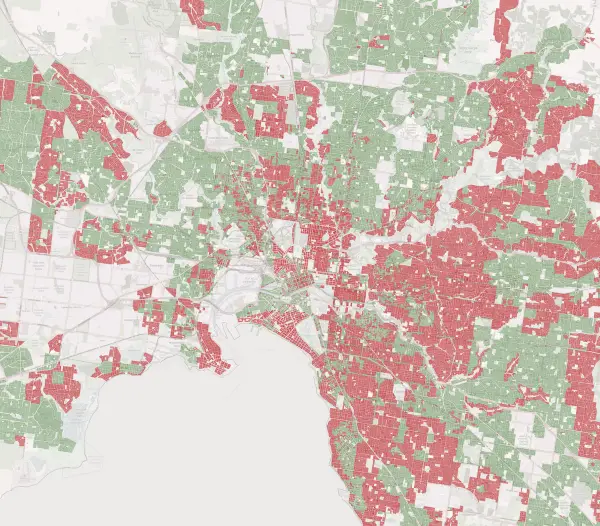
Australian Zoning Atlas
The Australian Zoning Atlas is the first ever nation-wide map that classifies and compares residential planning controls across Australia.

Inquiry into Management of Defence estate assets
Our preference is that public land should be used for public benefits, with the explicit caveat that this preference should not be used as an excuse to leave public sites deteriorating at high costs both real and in terms of lost opportunity.

Undercounting social housing building statistics
We are writing to express our concern that the Australian Bureau of Statisticsʼ building and construction data—specifically the Building Approvals and Building Activity series—are becoming an increasingly unreliable measure of genuine private sector building activity over the short-to-medium term.
Inquiry into Intergenerational Housing Inequity
Current planning systems are the primary drivers of spatial and intergenerational inequity in Australia. These systems often enforce artificial monopolies that benefit existing property owners at the expense of renters and first-home buyers.
Inquiry into Productivity in Australia
Our position is clear: the Abundant Housing Network Australia wholesale opposes the creation of a National Settlement Strategy. Such a strategy is flawed from first principles, and its proponents lack both evidence of its alleged benefits and viable methods for its implementation.
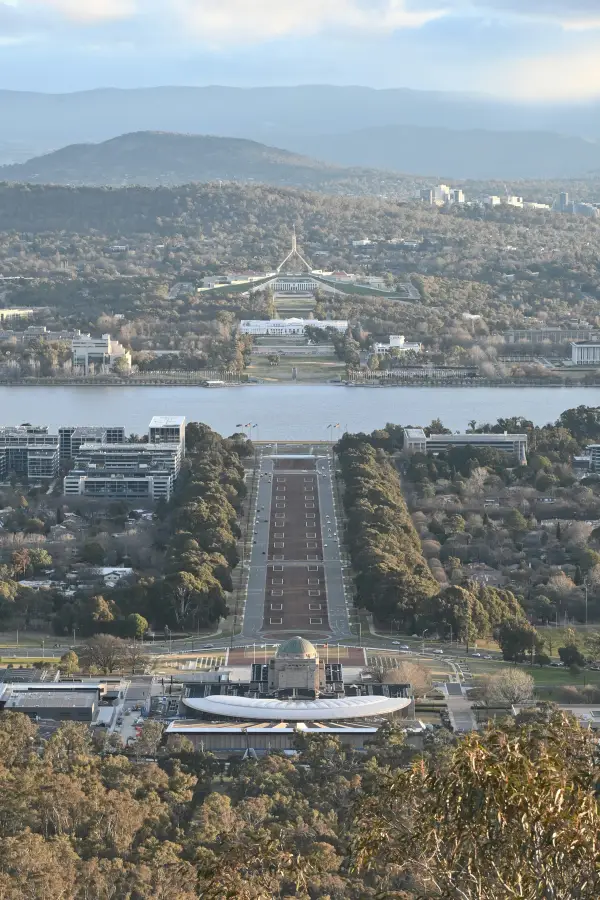
Inquiry into the Operation of the Capital Gains Tax Discount
The Abundant Housing Network Australia supports the Committeeʼs move to reduce the Capital Gains Tax discount.
No, Councils don't approve 98% of permits for new housing
New findings show that metropolitan Melbourne councils approve on average less than three-quarters of permits for new dwellings.

Community consultation is unrepresentative and biased
Community consultation models used by local governments tend to favour the time-rich (property owners and older residents) over the time-poor (renters and younger residents).
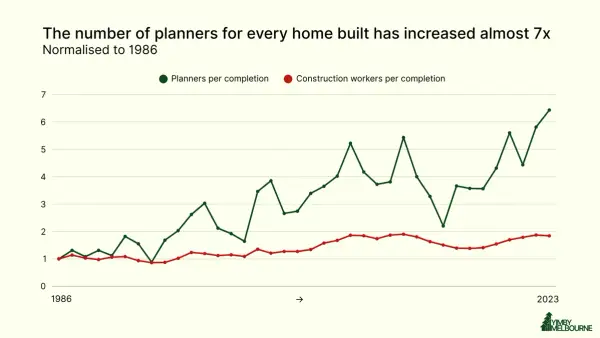
There is no planner supply shortage
In 1986, we delivered 54 homes per planner. Now, we deliver fewer than 9 homes per planner. Red tape has created a productivity crisis that more planners can't fix.
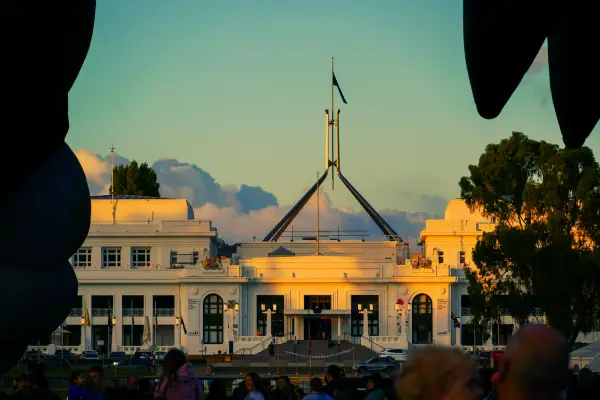
Productivity Commission's draft 'Creating a more dynamic and resilient economy' report
Reducing the complexity and regulatory burden in Australia's homebuilding sector can, will, and must play a foundational role in improving the dynamism and resilience of our economy.

Inquiry into Victoria Planning Provisions amendments VC257, VC267 and VC274
If there is a single takeaway from our submission it should be this: that these reforms are not radical. Rather, they represent common- and best-practice in planning from around the country and the world, and work predominantly to correct the devastating consequences of previous planning interventions.
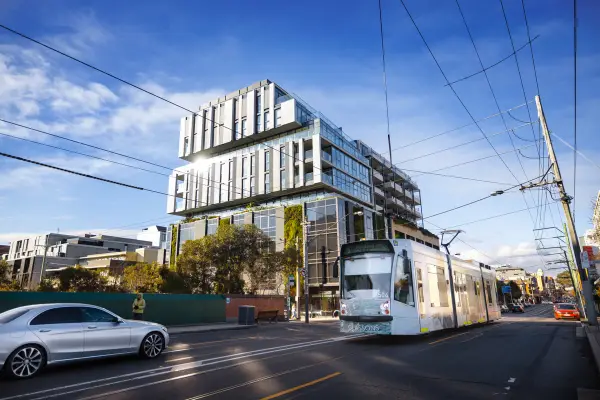
The Activity Centre Program is redistributive
Through a focus on building in established areas, the Activity Centre Program is an opportunity to redistribute wealth and means to a greater number of Victorians.

Inquiry into the supply of homes in regional Victoria
Planning restrictions are not just a problem for Greater Melbourne—they're a problem across our entire state, including Ballarat, Mildura, and Castlemaine.
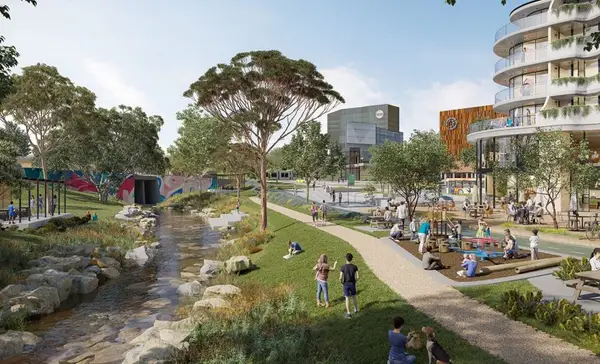
SRL East Draft Precinct Plans
The SRL Authority should amend the Public Benefit Uplift framework to include options such as cash contributions to the Social Housing Growth Fund. The SRL Authority should draw these options from the existing Development Facilitation Program. This will ensure the SRL Precincts are able to maximally boost community and public housing stock for the Victorians who need it most.

The Brick Book
Australia’s leading pro-housing advocates unveil The Brick Book, a shovel-ready guide for the next government can fix the housing crisis

Draft Infrastructure Victoria 30-Year Strategy
We broadly endorse the bold and necessary policy directions suggested in the draft 30-year strategy—especially the recommendation to upzone around existing infrastructure, but caution about mandatory inclusionary zoning.
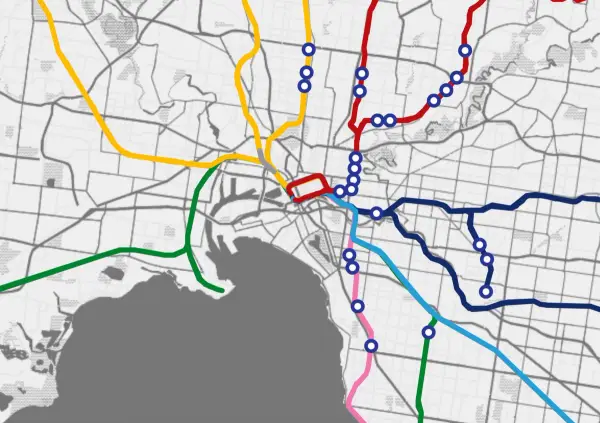
The Next 25
We build upon previous work to answer a simple question: across Melbourne’s transport network, which additional 25 train stations should be prioritised for inclusion in the Activity Centre Program?
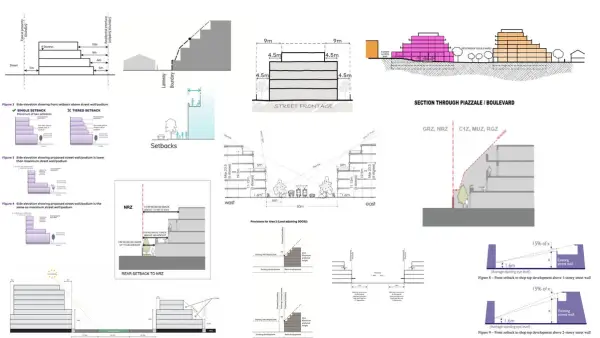
Upper-Level Setbacks Delenda Est
Upper-level setbacks are terrible for both environmental sustainability and housing affordability. They have almost no benefits, and are making our city worse.

Plan for Victoria
It is time for a planning system that, across all of Melbourne and indeed all of Victoria, says yes in its backyard.

Inquiry into Climate Resilence
As the effects of climate change begin to induce more frequent and extreme weather conditions, it is imperative to make our housing and communities more resilient to these significant challenges.
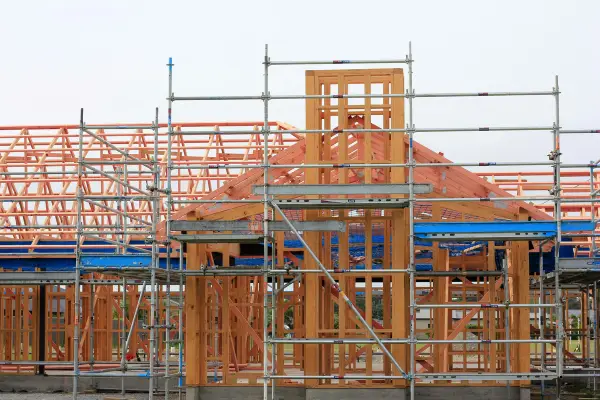
Inquiry into barriers to homebuilding
We have three priority areas we believe would benefit from a Productivity Commission deep dive: zoning and planning rules as a barrier to housing construction, heritage and character restrictions as a barrier to building in well-located areas, and barriers to the recruitment of skilled migrants in construction trades.
Inquiry into the National Housing and Homelessness Bill 2024 (No. 2)
The Abundant Housing Network Australia would like to thank the Senate Standing Legislation Committee on Economics for the opportunity to provide comments on this private memberʼs bill.
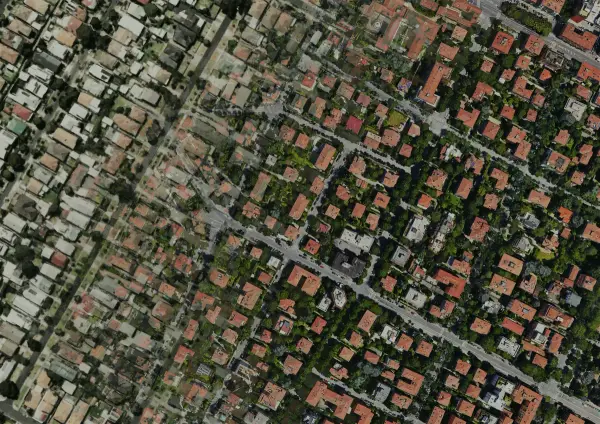
Missing Middle Street Trees
A model for a greener, greater Melbourne. Enabling all future Melburnians access to robust street tree canopy, boosting amenity and fighting the urban heat island effect.

National Urban Policy
It's time to make urban planning accountable – 14 recommendations for better Australian cities.
Inquiry into Local Government funding and services
Getting to a more fiscally sustainable and pro-growth local government sector.

Minimum Standards for Rental Properties and Rooming Houses
YIMBY Melbourne strongly endorses the new Minimum Standards for rental properties and rooming houses. But loopholes need to be closed, and better information needs to be made available for renters.

Build to rent tax concessions exposure draft
Facilitating more build-to-rent is a key way for us to deliver more housing supply in a sustainable way — but it presents some unique challenges to our housing, planning and finance regulatory frameworks, some of which we’d like to address here.

Missing Middle Housing Targets
An accountable system for housing abundance — 40,000 new homes every year. Melbourne's planning system lacks accountability. Our demand-driven housing target model ensures more homes are built where people want to live.

People’s Commission into the Housing Crisis
Broad upzoning is necessary, but not sufficient, for solving the housing affordability crisis. It, however, is a necessary precondition for any long-term strategy to bring down housing prices.

Repurposing Defence land for public housing
We request that the Commonwealth consider as part of the 2024-25 budget a programme that would see the transfer of underutilised Commonwealth-owned land to state or local governments at no cost, for the purpose of building public and community housing


Melbourne's Missing Middle
Building a liveable, affordable, and sustainable city for all.

Solving the housing crisis needs skilled migrants
We are writing to you today regarding reports that your Government is moving to exclude skilled tradespeople from the fast-tracked high-income visa processing stream.

Knockdown rebuilds misrepresented in building data
We are writing to you today regarding a consistent misreporting of building completions in Canberra that may have repercussions on the implementation of National Cabinet’s ambitious and welcome New Home Bonus scheme.

Inquiry into the rental and housing affordability crisis in Victoria
For a bigger, better, and more sustainable Melbourne, housing abundance, via inner-city densification and building up, rather than out, is the only viable path forward.

Inquiry into the worsening rental crisis in Australia
Our submissions substantively address actions that can be taken by governments to reduce rents or limit rent rises and factors impacting supply and demand of affordable rentals in the terms of reference.
Inquiry into Land Transfer Duty Fees
We extend our strong support for replacing current land transfer duty fees with a broad-based tax on the unimproved value of land.
No matching items.